


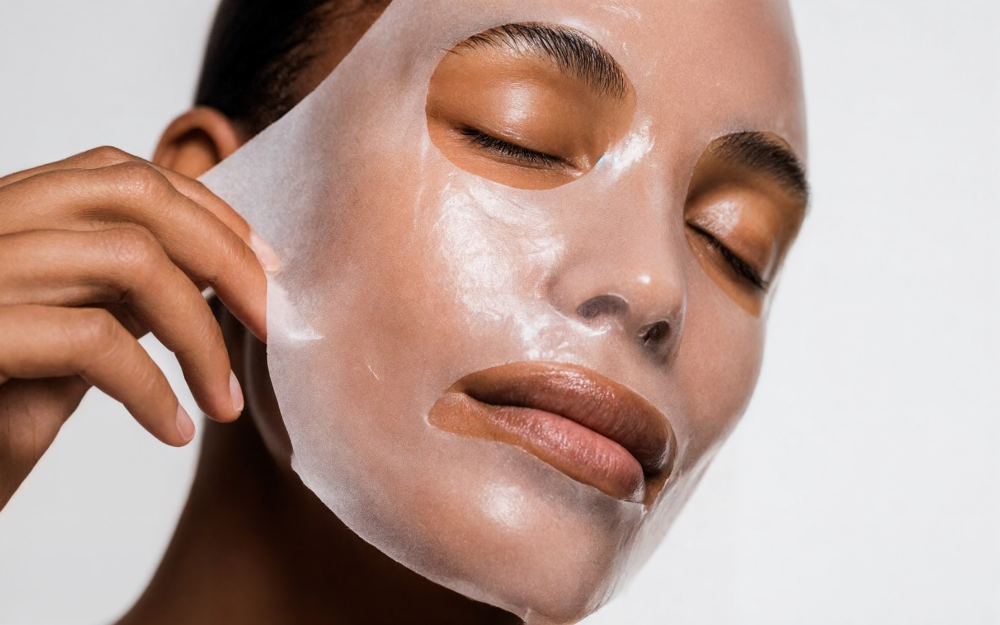
Cold temperatures and low humidity levels in winter cause the skin to lose moisture quickly, leading to tightness, flakiness, redness, and irritation. Habits such as taking long hot showers, staying near heaters, or not moisturizing enough can also weaken the skin barrier.
Using winter face masks helps replenish moisture, soothe irritation, and strengthen the skin barrier—keeping your skin healthy throughout the cold season.
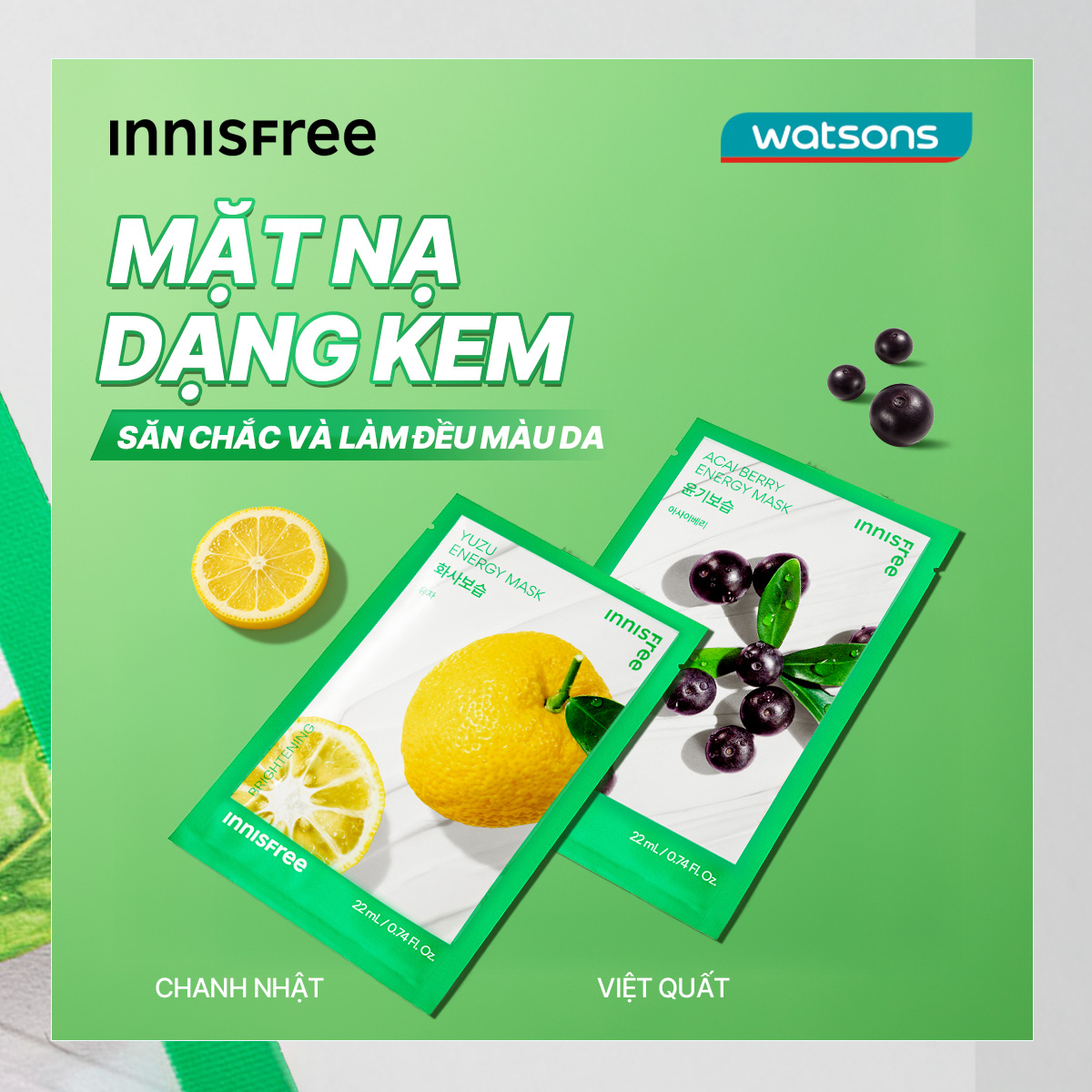
Provides deep and long-lasting hydration.
Quickly soothes redness, dryness, and irritation.
Helps repair and strengthen the skin barrier.
Improves skin softness, elasticity, and radiance.
Enhances the effectiveness of the following skincare steps.
Winter hydrating masks are considered essential to keep the skin balanced and resilient.
Easy to use and provide immediate moisture boost. Ideal for dehydrated or dull-looking skin.
Deliver intense hydration overnight and help lock in moisture. Best for dry, sensitive, or compromised skin.
Rich texture that helps calm irritation and nourish flaky or tight skin.
Remove excess oil without stripping moisture. Suitable for combination or slightly oily skin during winter.
Hyaluronic Acid, Glycerin, Panthenol: deep hydration and moisture retention.
Ceramide, Niacinamide: strengthen and repair the skin barrier.
Aloe Vera, Centella Asiatica, Calendula: soothe irritation and reduce inflammation.
Squalane, Shea Butter: lock in moisture and prevent water loss.
Peptides: promote skin regeneration and resilience.
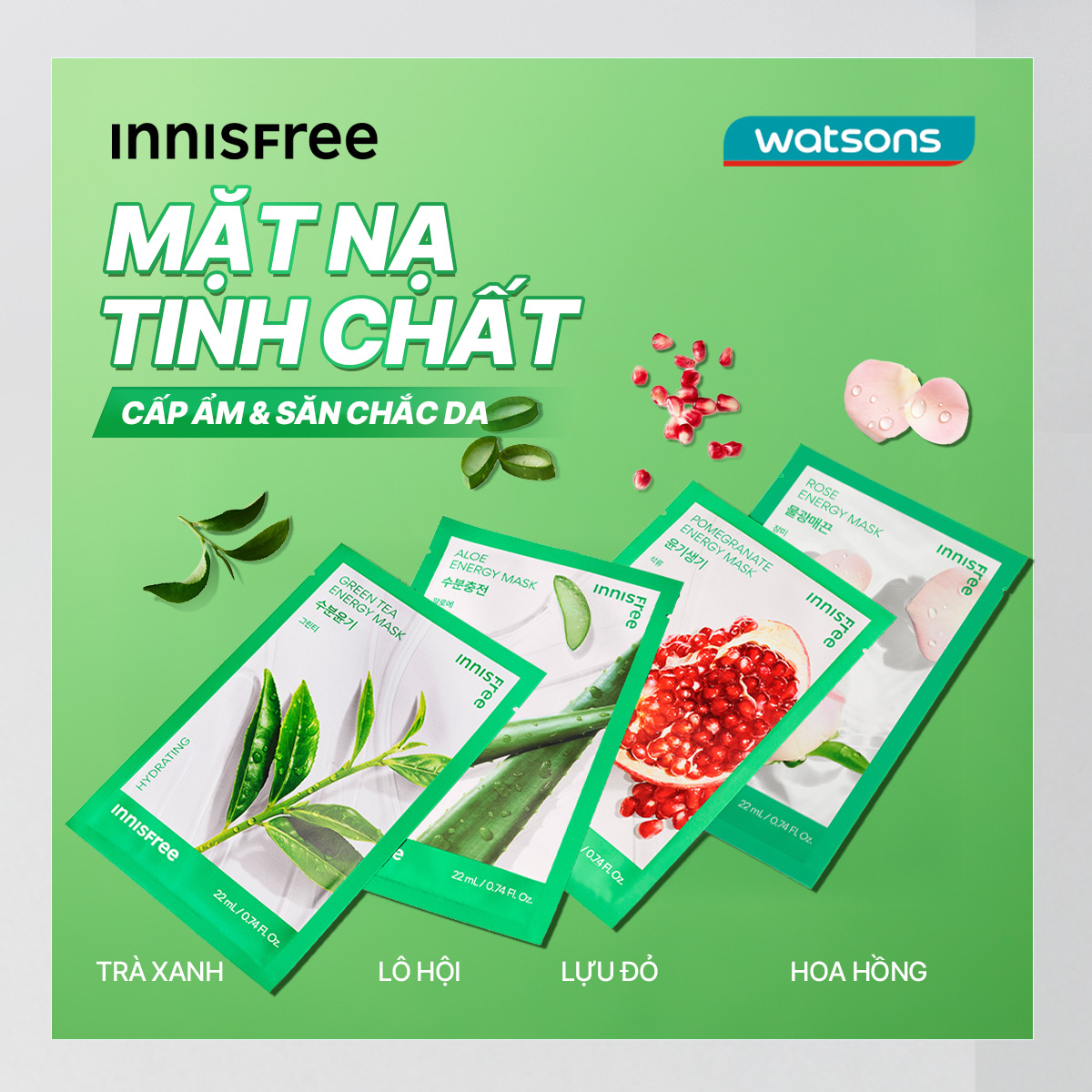
Choose masks with HA, ceramides, and nourishing oils.
Suggested types: cream masks, sleeping masks.
Opt for soothing formulas with minimal fragrance and gentle botanical ingredients.
Suggested types: calming sheet masks, recovery cream masks.
Balance hydration while controlling oil.
Suggested types: gentle clay masks + hydrating sheet masks.
Masks containing ceramides, peptides, and panthenol help restore the skin's structure.
Suggested types: repair-focused sleeping masks or cream masks.
Use 2–4 times per week depending on your skin’s condition.
Avoid leaving sheet masks on for too long to prevent moisture loss.
Apply serum before and a moisturizing cream after masking.
Avoid very hot water when cleansing or showering.
Moisturize while the skin is still slightly damp for better absorption.
Drink enough water daily.
Use a humidifier indoors to maintain air moisture.
Choose gentle, non-drying cleansers.
Limit exfoliation to avoid irritation.
Always apply sunscreen, even in winter.
Winter hydrating masks are essential for maintaining smooth, comfortable, and irritation-free skin. By choosing products that match your skin’s needs, you can keep your skin healthy and glowing throughout the colder months.