


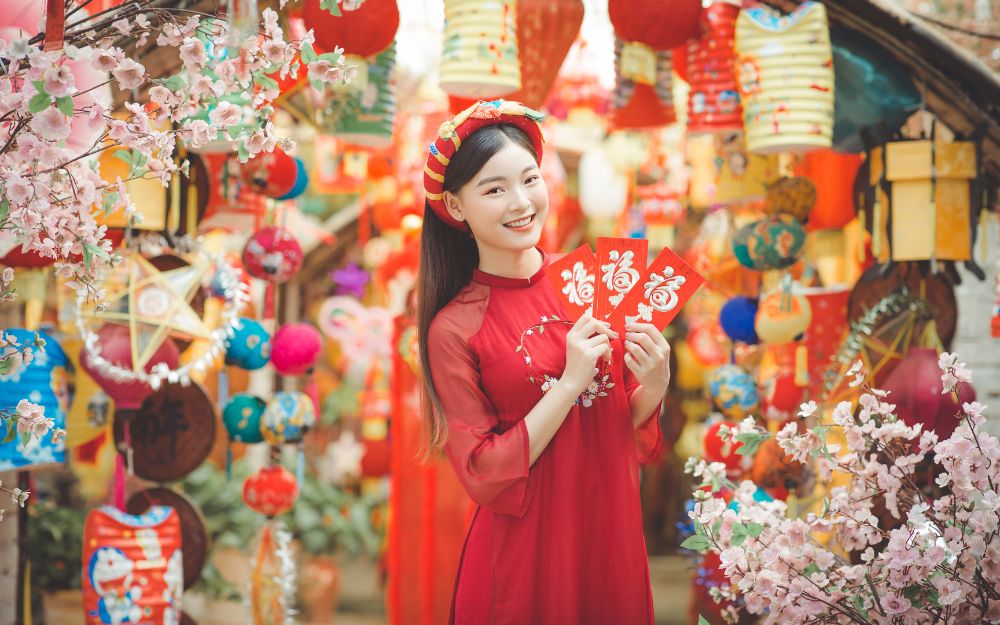
The Lunar New Year, known as Tet Nguyen Dan, is not only the most important festival in Vietnam but also the moment when Vietnamese cultural identity is most vividly expressed. In Vietnamese consciousness, Tet is deeply associated with family, ancestors, origins, and enduring spiritual values passed down through generations.
Although Tet is celebrated nationwide, differences in geography, historical development, and regional lifestyles have shaped distinct Vietnamese New Year traditions in the North, Central, and South. These variations create a diverse yet unified cultural portrait of Tet across Vietnam’s three regions.
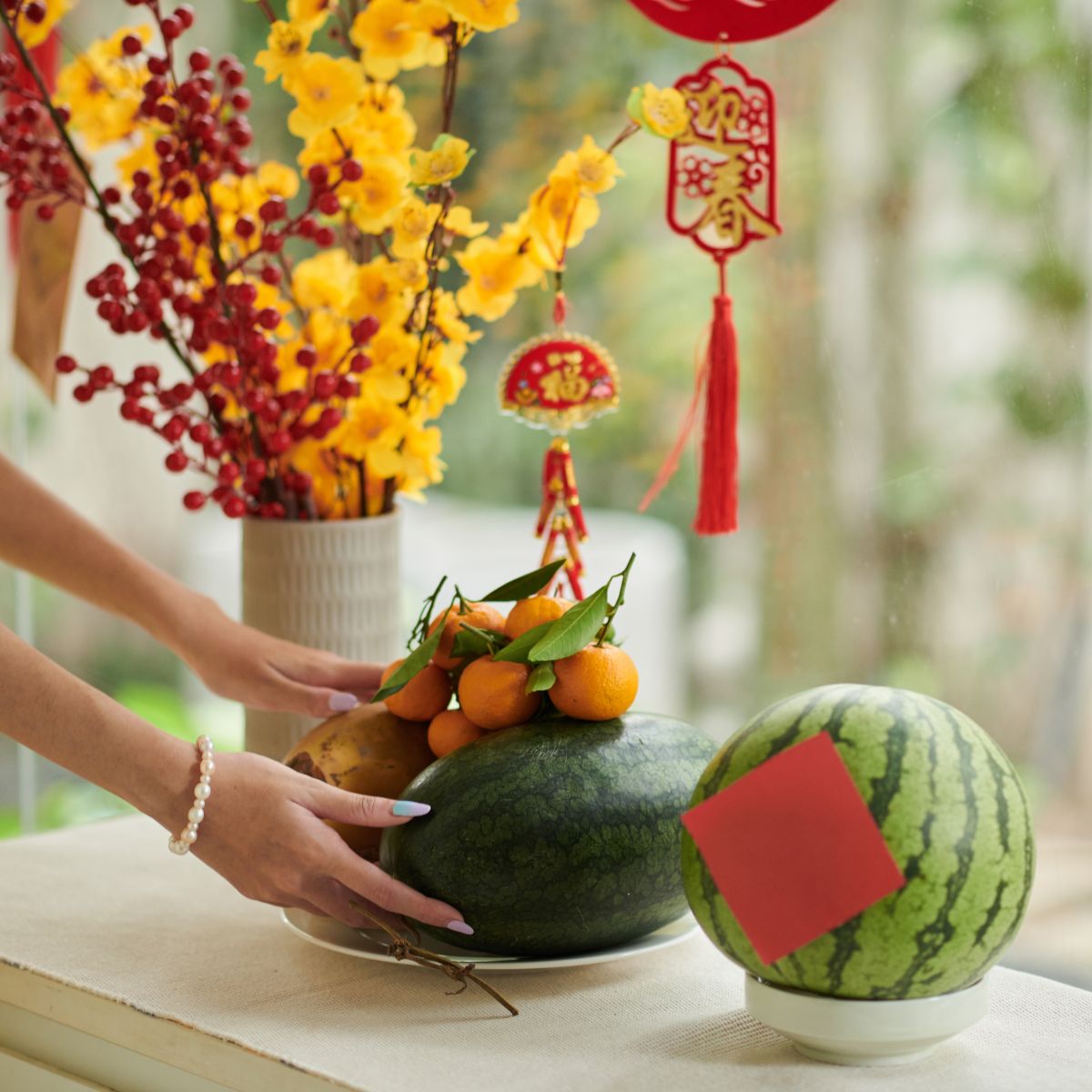
Vietnamese Tet traditions originate from an agrarian civilization closely tied to seasonal cycles and agricultural rhythms. Tet marks the end of a working year and the beginning of a new one, symbolizing hope for favorable weather, abundant harvests, and prosperity.
Spiritually, Tet is a time for reconnecting with one’s roots. Ancestor worship, family reunions, and New Year rituals reflect the Vietnamese philosophy of gratitude and respect for lineage, often expressed through the saying “remembering the source of the water we drink.”
Before Tet, Vietnamese families thoroughly clean and decorate their homes to remove bad luck from the old year and welcome positive energy in the new one. Decorating the living space reflects a desire for renewal, harmony, and abundance.
The year-end ceremony (Tat Nien) and the New Year’s Eve ritual (Giao Thua) are among the most important traditions. The midnight offering marks the sacred transition between years, when people express reverence to heaven, earth, deities, and ancestors.
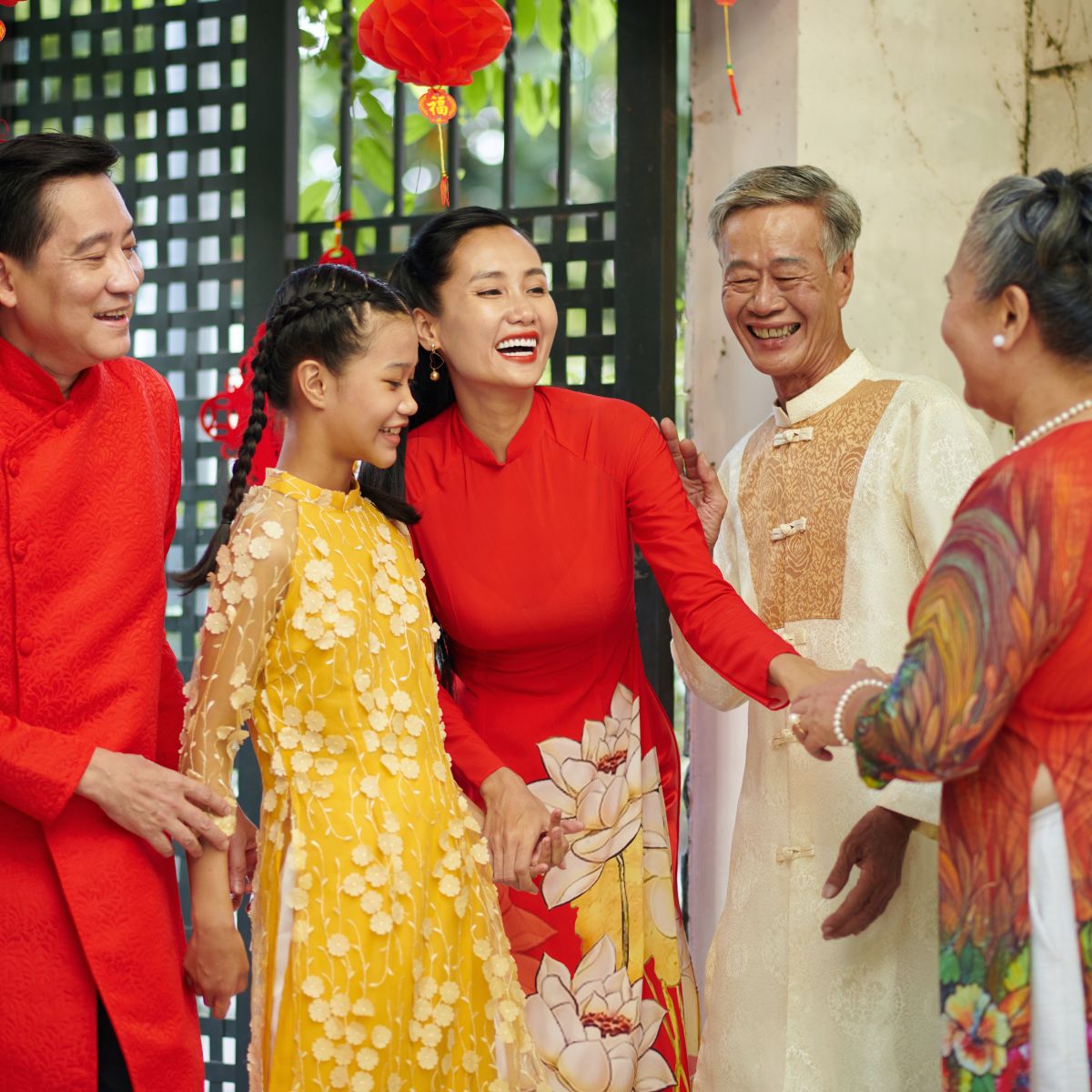
During the first days of the New Year, visiting relatives, offering New Year wishes, and giving lucky money (li xi) symbolize blessings of health, fortune, and success. At the same time, people observe various taboos, such as avoiding arguments or negative speech, to maintain harmony throughout the year.
Tet in Northern Vietnam carries a solemn and traditional atmosphere. Peach blossoms are a symbolic flower of the northern spring, representing renewal, vitality, and good fortune. Kumquat trees, heavy with fruit, symbolize prosperity and abundance.
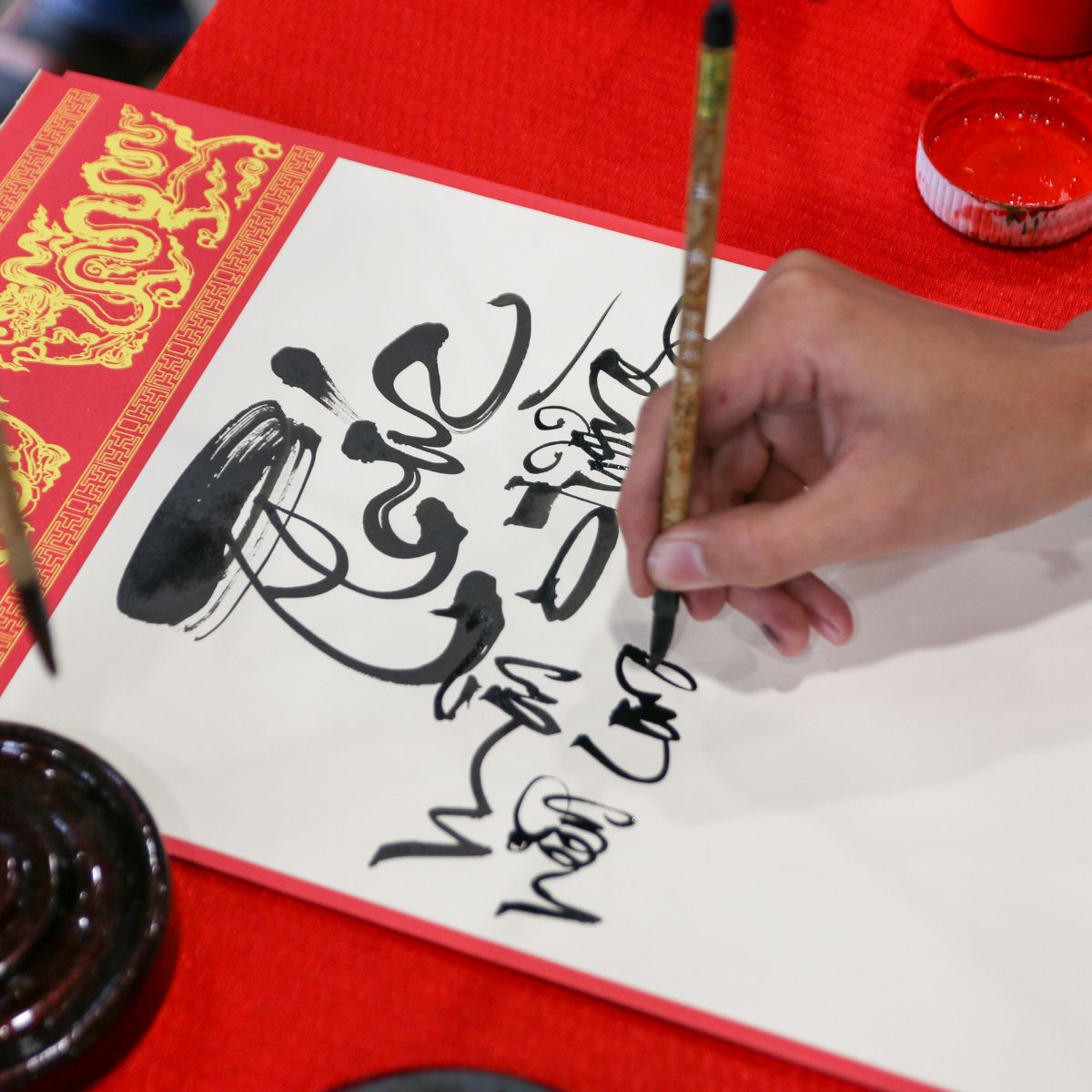
Many families also display red calligraphy scrolls and folk paintings such as Dong Ho or Hang Trong prints. These decorations are not merely aesthetic but convey wishes for happiness, knowledge, and moral virtue.
The Northern Tet feast emphasizes tradition and ceremonial balance. Banh Chung, a square sticky rice cake symbolizing the earth, is an indispensable dish rooted in the legend of Prince Lang Lieu.
Other common dishes include jellied meat, Vietnamese pork sausage, pickled onions, and fried spring rolls. The careful balance of flavors reflects the traditional concept of harmony between yin and yang in Vietnamese cuisine.
The tradition of first-footing (xong dat) is particularly important in the North. Families often select a person believed to bring good luck based on age, temperament, and compatibility.
Seeking calligraphy at the beginning of the year reflects respect for education and wisdom, while visiting temples and pagodas expresses hopes for peace, health, and moral guidance.
Tet in Central Vietnam is generally more subdued and modest. This reflects the region’s harsh climate and historically challenging living conditions. Despite this, Central Vietnamese people place great importance on rituals and formality.
Frugality, order, and respect for tradition are defining characteristics of Tet in this region.
Central Vietnam is known for its refined and elaborate Tet cuisine. Banh Tet is widely prepared, along with dishes such as fermented pork rolls, tre, and pickled vegetables.
Food is often seasoned more strongly and prepared for long preservation. Each locality, such as Hue, Quang Nam, or Binh Dinh, has its own distinctive variations of Tet dishes.
People in Central Vietnam emphasize offerings to heaven, earth, deities, and ancestors. Visiting relatives and neighbors during Tet follows a clear order and formal etiquette.
Respect for family traditions, rituals, and ancestral values remains central to Tet celebrations in this region.
Tet in Southern Vietnam is lively and open-hearted. Yellow apricot blossoms (hoa mai) symbolize wealth, luck, and prosperity.
Flower markets, bustling streets, and festive neighborhoods emerge well before Tet, reflecting the optimistic and energetic spirit of southern culture.
Southern Tet cuisine focuses on symbolic meanings of abundance and good fortune. Banh Tet, caramelized pork with eggs (thit kho tau), and bitter melon soup (canh kho qua) are staple dishes.
The name kho qua literally means “hardships pass,” expressing hopes that difficulties of the past year will be left behind.
People in Southern Vietnam often spend Tet traveling, enjoying leisure activities, and socializing. Compared to the North, Tet customs in the South involve fewer taboos and a more relaxed approach.
Nonetheless, visiting elders, exchanging New Year wishes, and giving lucky money remain essential practices that reinforce family and community bonds.
Tet in Northern Vietnam emphasizes formality and ritual, Central Vietnam values restraint and ceremonial precision, while Southern Vietnam highlights openness and joy.
Despite these differences, Tet across Vietnam’s three regions shares fundamental values: honoring ancestors, cherishing family unity, and nurturing hope for a prosperous new year.
In modern society, many Tet customs have been simplified to accommodate contemporary lifestyles. However, core values such as family connection, ancestral respect, and community spirit remain deeply ingrained.
Understanding Vietnamese Lunar New Year traditions by region not only helps preserve cultural heritage but also allows these timeless values to be shared with younger generations and international audiences.